2026-10-11 · Marco Ramirez
How Pasadena Homeowners Can Flush Sediment From Water Heaters
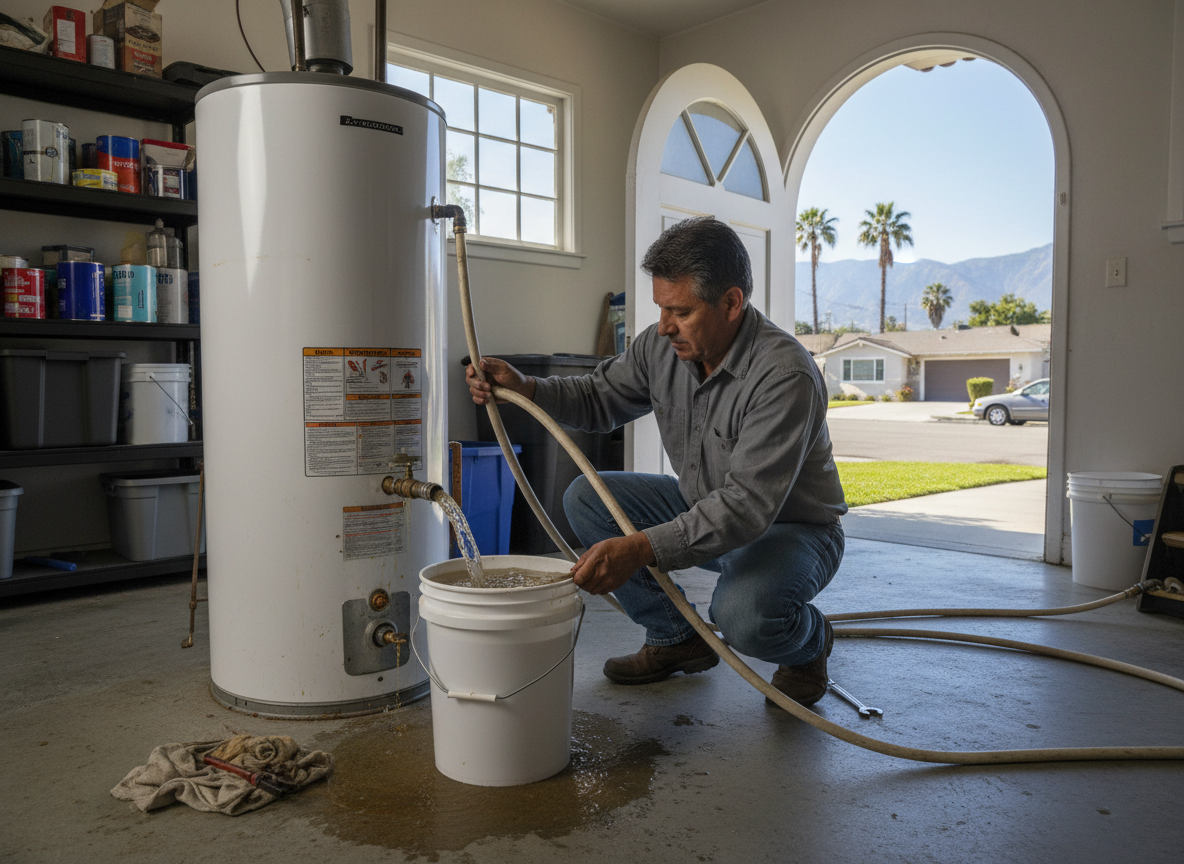
Pasadena homeowners can effectively flush sediment from their water heaters by following a few key steps, typically taking about 1 to 2 hours to complete, depending on the amount of sediment buildup and the size of the tank. This essential maintenance task should ideally be performed once a year, or even twice a year if you notice signs like reduced hot water capacity or unusual noises from your unit. The process involves turning off the power or gas, shutting off the cold water supply, connecting a hose to the drain valve, and then opening the valve to allow the water and sediment to drain out. Understanding the specific conditions in Los Angeles County, where hard water can be a factor, makes this routine even more vital for homes in areas like Old Pasadena or Bungalow Heaven, where older plumbing systems might be more susceptible to sediment accumulation.
Why Sediment Buildup is a Problem in Pasadena Homes
Sediment, primarily mineral deposits like calcium and magnesium, is a common issue in water heaters across Pasadena. While our mild Mediterranean climate with warm, dry summers doesn't directly cause sediment, the water supply itself can carry these minerals. Over time, these particles settle at the bottom of your water heater tank, forming a layer that insulates the heating element from the water. For gas water heaters, this means the burner has to work harder to heat the water, leading to increased energy consumption and higher utility bills. In electric models, sediment can directly cover the lower heating element, causing it to overheat and potentially fail prematurely. This inefficiency is particularly noticeable in homes in the South Lake District or near Caltech, where water usage might be higher, putting more strain on the water heater.
Beyond efficiency, sediment buildup can also lead to a variety of operational problems. The most common sign is often a popping or rumbling noise coming from the tank, which is the sound of water trapped under the sediment boiling. This isn't just annoying; it indicates the tank is under stress. Furthermore, sediment can reduce the effective capacity of your water heater, meaning you'll run out of hot water faster, a particular inconvenience during peak usage times. Ignoring sediment can shorten your water heater's lifespan significantly, turning a unit that should last 8 to 12 years into one that fails in half that time. Addressing these issues proactively can save you from an unexpected water heater repair in the future.
Essential Tools and Safety Precautions
Before you begin flushing your water heater, gather the necessary tools to ensure a smooth and safe process. You'll need a standard garden hose long enough to reach a suitable drainage point, such as a floor drain, utility sink, or even outside your home. A bucket might also be useful for initial draining or if you need to capture a small amount of water. Safety is paramount: always wear gloves to protect your hands and consider safety glasses to shield your eyes from any splashing water. Ensure the area around your water heater, whether it's in a garage in Linda Vista or a utility closet in the Playhouse District, is clear and well-lit. If your water heater is gas-powered, locate the gas shut-off valve; if electric, find the circuit breaker that controls the unit. Knowing these locations beforehand will prevent fumbling when you need to act quickly.
It's crucial to understand that hot water can cause severe burns, so always allow the water in the tank to cool sufficiently before draining, or exercise extreme caution. If you're unsure about any step, especially when dealing with gas or electrical connections, it's always best to consult with a professional. While flushing is a DIY-friendly task, the potential for error, especially with older units found in areas like Bungalow Heaven, means a professional can ensure the job is done safely and correctly. For more in-depth maintenance, consider our specialized Water Heater Flush and Maintenance service.
Step-by-Step Guide to Flushing Your Water Heater
Flushing your water heater is a straightforward process when approached systematically. Here are the steps Pasadena homeowners can follow:
- Turn Off the Power/Gas Supply: For electric water heaters, go to your electrical panel and flip the circuit breaker labeled for your water heater to the "OFF" position. For gas water heaters, turn the gas control knob to the "PILOT" or "OFF" setting. This prevents the heating elements or burner from activating while the tank is empty, which could cause damage.
- Shut Off the Cold Water Inlet: Locate the cold water inlet valve at the top of your water heater (it's usually on the right side). Turn the handle clockwise until it's completely closed. This stops new water from entering the tank as it drains.
- Open a Hot Water Faucet: Go to the nearest hot water faucet in your home (e.g., in a bathroom or kitchen sink) and turn it on to the hot setting. This releases any vacuum pressure in the tank and allows air to enter, which helps the water drain more efficiently. Leave it running until the tank is fully drained.
- Connect a Garden Hose: Attach one end of a standard garden hose to the drain valve located near the bottom of your water heater. Direct the other end of the hose to a suitable drainage point, such as a floor drain, utility sink, or outside away from your home's foundation. Ensure the hose is securely attac
Refilling Your Water Heater and Final Checks
After the water runs clear and you're confident most of the sediment has been flushed, it's time to refill your water heater and bring it back online. First, close the drain valve on the water heater completely and remove the garden hose. Next, close the hot water faucet you opened earlier in your home. Then, slowly open the cold water inlet valve at the top of your water heater. You'll hear the tank begin to fill. Once water starts flowing from the open hot water faucet you previously used (indicating the tank is full and the air has been purged), close that faucet. This step is critical to prevent damage to your heating elements. For more insights into common issues, you might find our article on Water Heater Making Popping or Rumbling Noises helpful.
Finally, once the tank is full, you can restore power or gas to your water heater. For electric models, flip the circuit breaker back to "ON." For gas models, turn the gas control knob from "PILOT" or "OFF" to "ON" and relight the pilot light if necessary, following the instructions on your unit. It will take some time for the water to heat up again, typically 30 minutes to an hour for a full tank. Always perform a quick visual check for any leaks around the drain valve or other connections after refilling. Regular flushing significantly extends your water heater's life, ensuring consistent hot water for your Pasadena home, from the historic Bungalow Heaven to the modern developments near Colorado Boulevard.